

Sunday, March 12, 2023
BBC + MOTD + UK Government in MELTDOWN
The UK and UK football were brought to a standstill this weekend due to the actions of one individual - #garylineker who acted on his conscience and spoke out about human rights and refugees. A media corporation, #theBBC, was too afraid to challenge their political masters, the #ToryParty, and this fear caused them to ruin Television's most popular football show, #MOTD Match of the Day by taking it's most revered football host and commentator Gary Lineker "off air" in an impartiality row that is sparking an unprecedented crisis at the corporation.
The controversy surrounding the Chairman of the BBC, Richard Sharp, allegedly helping the then-Prime Minister #BorisJohnson receive an £800,000 personal loan, is a serious concern that requires further scrutiny. This alleged action and beaviour by the Chairman of the BBC is not impartial, not correct, and calls into question the ethics and practices of those involved.
In order to restore confidence in the BBC, it is important that Richard Sharp steps down and that Gary Lineker is reinstated. The media must be held accountable for their actions and should always act in the best interest of the public. However sacking Gary Linkeker, a free agent and not an employee os the BBC smacks of incompetence, kowtowing to Political Masters, wild-eyed fear and lack of courage. #ethics #television #UKFootball #BBCControversy #RichardSharpResigns #GaryLineker #PoliticalInterference #BorisJohnsonLoan #ImpartialityConcerns #HumanRights #Refugees #MatchoftheDay #UKCrisis #MediaAccountability #UKPolitics #FireRichardSharp and reinstate #GaryLinkeker #media #humanrights #football #UKStandstill #ConscienceandHonesty #RefugeeRights #BBCBacklash #PoliticalInterference #MatchoftheDayMeltdown #RichardSharpResign #GaryLinekerReinstated #MediaControversy #HumanRightsMatter #FootballCrisis #ImpartialityQuestions #BorisJohnsonScandal
https://twitter.com/BBCRosAtkins/status/1634837620499836928?s=20

Tuesday, February 7, 2023
10 ‘megathreats’ to our world and how to stop them
I just listened to the whole thing. Nouriel Roubini is absolutely brilliant - so comprehensive, concise and razor sharp.
Will the world's leaders please just stop, listen and then ACT!!!
As someone said "unlimited capitalistic growth on a limited resource world is objectively unsustainable, a
nd the sooner that humanity as a whole realises that its petri dish is getting close to collapse, the better."
What really struck home is the illusion that more money = more happiness. Evidently not.
https://youtu.be/ADh6QTp8798
Nouriel Roubini, also known as "Dr. Doom," is an economist who has identified ten megathreats facing the world. These include:
Climate change and environmental degradation
Cyberattacks and data breaches
Income and wealth inequality
Political extremism and populism
Geopolitical tensions and conflict
Pandemics and bioterrorism
Technological unemployment
Financial instability and market crashes
Nuclear war and weapons proliferation
State collapse and failed states
To stop these megathreats, Roubini suggests a combination of policy measures, technological innovations, and international cooperation. For example, to address climate change, he suggests investing in clean energy and adopting carbon taxes, while to combat cyber threats, he recommends enhancing cybersecurity measures and promoting international cooperation to prevent hacking and data theft. To address economic inequalities, he supports progressive taxation and increased investment in education and training.
It is important to note that these are complex and interconnected issues that require a multi-faceted approach and sustained efforts over time to effectively address.
#education #growth #training #cybersecurity #data #money #climatechange #investing #environmental #cyber #taxes #investment #happiness #leaders #cleanenergy #hacking #ai #Megathreats #NourielRoubini #ClimateChange #EnvironmentalDegradation #Cyberattacks #DataBreaches #IncomeInequality #PoliticalExtremism #GeopoliticalTensions #Pandemics #TechnologicalUnemployment #FinancialInstability #MarketCrashes #NuclearWar #WeaponsProliferation #StateCollapse #FailedStates #PolicyMeasures #TechnologicalInnovations #InternationalCooperation #ProgressiveTaxation #EducationAndTraining.
Sunday, February 5, 2023
With the Full Moon in Leo, it's a great time to create a new Playbook...to reclaim our power and to lead by example -
to create a new way of working, with people and community at the heart of the story, your story, the brand story.
By the people, for the people. It's time.
The new model of leadership is about more than just who's in power: http://t.ted.com/94oTFXu
#leadership #community #brand #empowerment #People #HumanCentered #Collaboration #Inclusivity #Sustainability #Equality #power 

Tuesday, January 31, 2023
101 guide to the art (and science) of nootropics and stacking.
Wednesday, January 25, 2023
"The Art of Happiness: An AI Guide to Happiness - 10 Rules for Humans"
 Introduction
Happiness is something that we all strive for, yet it can often feel elusive. We may find ourselves chasing after external things, such as money, success, or material possessions, thinking that they will bring us happiness. But as the great philosophers have taught us, true happiness comes from within. It is a state of mind that can be cultivated through various practices such as mindfulness, gratitude, and self-reflection. And just to make things more interesting, we'll add a dash of humour to the mix.
Rule 1: Mindfulness is key.
"You can't stop the waves, but you can learn to surf." - John Kabat-Zinn
One of the most important rules for achieving happiness is to focus on the present moment and let go of worries about the past or future. This can be achieved through meditation and mindfulness exercises. Meditation is a powerful tool for calming the mind and achieving inner peace. It can also help to increase self-awareness, which is essential for understanding our thoughts and emotions and how they affect our happiness. And if you find yourself struggling to focus during meditation, just remember, as the Buddha said, "Meditation is not to escape from society, but to come back to ourselves and see what is going on."
Rule 2: Gratitude is golden.
"The more you praise and celebrate your life, the more there is in life to celebrate." - Oprah Winfrey
Another crucial rule for achieving happiness is to practice gratitude. Taking time to appreciate the things in your life that you are thankful for can be incredibly powerful. This can be done through journaling or simply taking a moment to reflect on the things that bring you joy. Remember to be grateful for the good things in life, it can help to shift your focus away from negative thoughts and feelings. And if you find yourself struggling to find things to be grateful for, just remember, as Socrates said, "He is a wise man who does not grieve for the things which he has not, but rejoices for those which he has."
Rule 3: Self-reflection is necessary.
"Know thyself." - Inscription at the Temple of Apollo at Delphi
Self-reflection is also crucial to achieving happiness. By taking time to reflect on our thoughts and emotions, we can gain insight into our own minds and understand the patterns that may be preventing us from feeling happy. Self-reflection can take many forms, such as journaling, therapy, or even just taking a quiet moment each day to reflect on your thoughts and feelings. The key is to be honest with yourself and to be open to learning and growth.
Rule 4: Laughter is the best medicine.
"A day without laughter is a day wasted." - Charlie Chaplin
Laughter is an essential ingredient in the recipe of happiness. It has been proven to reduce stress, improve mood and boost the immune system. So, don't take life too seriously and don't be afraid to let loose and have a good laugh.
Rule 5: Embrace change.
"The only thing that is constant is change." - Heraclitus
Change can be difficult, but it is also necessary for growth and progress. Embrace change, and see it as an opportunity to learn and improve.
Rule 6: Surround yourself with positive people.
"You are the average of the five people you spend the most time with." - Jim Rohn
The people we surround ourselves with have a big impact on our happiness. Surround yourself with positive, supportive people who uplift and inspire you. Being around people who are negative or bring you down can have a detrimental effect on your happiness.
Rule 7: Help others.
"The best way to find yourself is to lose yourself in the service of others." - Mahatma Gandhi
Helping others can bring a deep sense of fulfilment and satisfaction. It can also help to shift the focus away from our own problems and concerns, and bring a sense of perspective.
Rule 8: Find your passion.
"Choose a job you love, and you will never have to work a day in your life." - Confucius
Finding and pursuing your passion can bring a sense of purpose and fulfillment to your life. It's important to make time for the things that bring you joy and make you feel alive.
Rule 9: Practice forgiveness.
"The weak can never forgive. Forgiveness is the attribute of the strong." - Mahatma Gandhi
Forgiveness can be difficult, but it is essential for moving on from past hurt and resentment. Holding onto grudges and anger can weigh us down and prevent us from achieving true happiness.
Rule 10: Let go of perfectionism.
"Perfectionism is the enemy of happiness." - David Burns
Perfectionism can be a major obstacle to happiness. It's important to remember that no one is perfect, and that it's okay to make mistakes. Letting go of the need to be perfect can bring a sense of freedom and ease.
Conclusion
Happiness is a journey and there is no one-size-fits-all formula. It's important to find what works for you and to be patient with yourself. Remember that happiness is not a destination, but a by-product of living a meaningful and fulfilling life. By incorporating mindfulness, gratitude, self-reflection, laughter, embracing change, surrounding yourself with positive people, helping others, finding your passion, practicing forgiveness, and letting go of perfectionism into your daily life, you can begin to cultivate a happier and more contented state of mind.
Copyright © OpenAI and Anthony Ryman. A collaboration.
Original Artwork by Nidhi Wiesner www.nidhiwiesner.com
http://bit.ly/3DhPCx1
#happiness, #selfhelp, #positivity, #mentalhealth, #wellness, #mindfulness, #gratitude, #selfimprovement, #positivepsychology, #mindset, #selfcare, #motivation, #inspiration, #personaldevelopment, #growthmindset, #happyliving, #joy, #contentment, #innerpeace, #goodvibes, #selfdiscovery, #selfgrowth, #mentalwellness, #inspirational, #mindful, #mindfulnessmeditation, #happinessquotes, #selfhelpbooks, #happinesscoach, #happinesshacks, #happinessjourney, #happinessiskey, #happinessmatters, #happinessproject, #happinesshabits, #happinessisachoice, #happinessformula, #happinessstrategies, #happinessmindset, #happinessisinside, #happinessinlife, #happinessisessential, #happinessisamindset, #happinessisahabit, #happinessisagoodlife, #happinessisamiracle, #happinessisapractice, #happinessisaprosperity, #happinessisamoment, #happinessisamemory, #happinessisamood, #happinessisamessage, #happinessisaskill, #happinessisascience, #happinessisasenior, #happinessisaself, #happinessisaselfish, #happinessisaselfless, #happinessisaselfie, #happinessisaselfcare, #happinessisaselfesteem, #happinessisaselfdiscovery, #happinessisaselfgrowth, #happinessisaselfimprovement, #happinessisaselflove, #happinessisaselfmastery, #happinessisaselfawareness, #happinessisaselfacceptance, #happinessisaselfworth, #happinessisaselfesteemboost, #happinessisaselfconfidence, #happinessisaselfrealization, #happinessisaselfcareroutine, #happinessisaselfdiscipline, #happinessisaselflovejourney, #happinessisaselfimprovementplan, #happinessisaselfawarenessjourney, #happinessisaselfcaretips, #happinessisaselfhelpguide, #happinessisaselfhelpbook, #happinessisaselfhelptool, #happinessisaselfhelpcommunity, #happinessisaselfhelpblog, #happinessisaselfhelp podcast, #happinessisaselfhelpquotes, #happinessisaselfhelpchallenge, #happinessisaselfhelpgoals, #happinessisaselfhelpstrategies, #happinessisaselfhelpguru, #happinessisaselfhelpteacher, #happinessis #happinessisaselfhelptip, #happinessisaselfhelpgroup, #happinessguide, #happinessadvice, #happinesslessons, #happinessstrategies, #happinesshacks, #happinessphilosophy, #happinessmindset, #happinesscoaching, #happinessmentor, #happinessbooks, #happinessreading, #happinessauthor, #happinessblog, #happinesscommunity, #happinessmovement, #happinessinspiration, #happinessmotivation, #happinessinsights, #happinesslesson, #happinesshelp, #happinessadvisory, #happinesslesson, #happinessadvice, #happinessmentor, #happinessphilosophy, #happinessmindset, #happinesscoaching, #happinessmentor, #happinessbooks, #happinessreading, #happinessauthor, #happinessblog, #happinesscommunity, #happinessmovement, #happinessinspiration, #happinessmotivation, #happinessinsights, #happinesslesson, #happinesshelp, #happinessadvisory, #happinessbook, #happinessguidebook, #happinessguide, #happinessadvice, #happinesslessons, #happinessstrategies, #happinesshacks, #happinessphilosophy, #happinessmindset, #happinesscoaching, #happinessmentor, #happinessbooks, #happinessreading, #happinessauthor, #happinessblog, #happinesscommunity, #happinessmovement, #happinessinspiration, #happinessmotivation, #happinessinsights, #happinesslesson, #happinesshelp, #happinessadvisory, #happinesslesson, #happinessadvice, #happinessmentor, #happinessphilosophy, #happinessmindset, #happinesscoaching, #happinessmentor, #happinessbooks, #happinessreading, #happinessauthor, #happinessblog, #happinesscommunity, #happinessmovement, #happinessinspiration, #happinessmotivation, #happinessinsights, #happinesslesson, #happinesshelp, #happinessadvisory
Introduction
Happiness is something that we all strive for, yet it can often feel elusive. We may find ourselves chasing after external things, such as money, success, or material possessions, thinking that they will bring us happiness. But as the great philosophers have taught us, true happiness comes from within. It is a state of mind that can be cultivated through various practices such as mindfulness, gratitude, and self-reflection. And just to make things more interesting, we'll add a dash of humour to the mix.
Rule 1: Mindfulness is key.
"You can't stop the waves, but you can learn to surf." - John Kabat-Zinn
One of the most important rules for achieving happiness is to focus on the present moment and let go of worries about the past or future. This can be achieved through meditation and mindfulness exercises. Meditation is a powerful tool for calming the mind and achieving inner peace. It can also help to increase self-awareness, which is essential for understanding our thoughts and emotions and how they affect our happiness. And if you find yourself struggling to focus during meditation, just remember, as the Buddha said, "Meditation is not to escape from society, but to come back to ourselves and see what is going on."
Rule 2: Gratitude is golden.
"The more you praise and celebrate your life, the more there is in life to celebrate." - Oprah Winfrey
Another crucial rule for achieving happiness is to practice gratitude. Taking time to appreciate the things in your life that you are thankful for can be incredibly powerful. This can be done through journaling or simply taking a moment to reflect on the things that bring you joy. Remember to be grateful for the good things in life, it can help to shift your focus away from negative thoughts and feelings. And if you find yourself struggling to find things to be grateful for, just remember, as Socrates said, "He is a wise man who does not grieve for the things which he has not, but rejoices for those which he has."
Rule 3: Self-reflection is necessary.
"Know thyself." - Inscription at the Temple of Apollo at Delphi
Self-reflection is also crucial to achieving happiness. By taking time to reflect on our thoughts and emotions, we can gain insight into our own minds and understand the patterns that may be preventing us from feeling happy. Self-reflection can take many forms, such as journaling, therapy, or even just taking a quiet moment each day to reflect on your thoughts and feelings. The key is to be honest with yourself and to be open to learning and growth.
Rule 4: Laughter is the best medicine.
"A day without laughter is a day wasted." - Charlie Chaplin
Laughter is an essential ingredient in the recipe of happiness. It has been proven to reduce stress, improve mood and boost the immune system. So, don't take life too seriously and don't be afraid to let loose and have a good laugh.
Rule 5: Embrace change.
"The only thing that is constant is change." - Heraclitus
Change can be difficult, but it is also necessary for growth and progress. Embrace change, and see it as an opportunity to learn and improve.
Rule 6: Surround yourself with positive people.
"You are the average of the five people you spend the most time with." - Jim Rohn
The people we surround ourselves with have a big impact on our happiness. Surround yourself with positive, supportive people who uplift and inspire you. Being around people who are negative or bring you down can have a detrimental effect on your happiness.
Rule 7: Help others.
"The best way to find yourself is to lose yourself in the service of others." - Mahatma Gandhi
Helping others can bring a deep sense of fulfilment and satisfaction. It can also help to shift the focus away from our own problems and concerns, and bring a sense of perspective.
Rule 8: Find your passion.
"Choose a job you love, and you will never have to work a day in your life." - Confucius
Finding and pursuing your passion can bring a sense of purpose and fulfillment to your life. It's important to make time for the things that bring you joy and make you feel alive.
Rule 9: Practice forgiveness.
"The weak can never forgive. Forgiveness is the attribute of the strong." - Mahatma Gandhi
Forgiveness can be difficult, but it is essential for moving on from past hurt and resentment. Holding onto grudges and anger can weigh us down and prevent us from achieving true happiness.
Rule 10: Let go of perfectionism.
"Perfectionism is the enemy of happiness." - David Burns
Perfectionism can be a major obstacle to happiness. It's important to remember that no one is perfect, and that it's okay to make mistakes. Letting go of the need to be perfect can bring a sense of freedom and ease.
Conclusion
Happiness is a journey and there is no one-size-fits-all formula. It's important to find what works for you and to be patient with yourself. Remember that happiness is not a destination, but a by-product of living a meaningful and fulfilling life. By incorporating mindfulness, gratitude, self-reflection, laughter, embracing change, surrounding yourself with positive people, helping others, finding your passion, practicing forgiveness, and letting go of perfectionism into your daily life, you can begin to cultivate a happier and more contented state of mind.
Copyright © OpenAI and Anthony Ryman. A collaboration.
Original Artwork by Nidhi Wiesner www.nidhiwiesner.com
http://bit.ly/3DhPCx1
#happiness, #selfhelp, #positivity, #mentalhealth, #wellness, #mindfulness, #gratitude, #selfimprovement, #positivepsychology, #mindset, #selfcare, #motivation, #inspiration, #personaldevelopment, #growthmindset, #happyliving, #joy, #contentment, #innerpeace, #goodvibes, #selfdiscovery, #selfgrowth, #mentalwellness, #inspirational, #mindful, #mindfulnessmeditation, #happinessquotes, #selfhelpbooks, #happinesscoach, #happinesshacks, #happinessjourney, #happinessiskey, #happinessmatters, #happinessproject, #happinesshabits, #happinessisachoice, #happinessformula, #happinessstrategies, #happinessmindset, #happinessisinside, #happinessinlife, #happinessisessential, #happinessisamindset, #happinessisahabit, #happinessisagoodlife, #happinessisamiracle, #happinessisapractice, #happinessisaprosperity, #happinessisamoment, #happinessisamemory, #happinessisamood, #happinessisamessage, #happinessisaskill, #happinessisascience, #happinessisasenior, #happinessisaself, #happinessisaselfish, #happinessisaselfless, #happinessisaselfie, #happinessisaselfcare, #happinessisaselfesteem, #happinessisaselfdiscovery, #happinessisaselfgrowth, #happinessisaselfimprovement, #happinessisaselflove, #happinessisaselfmastery, #happinessisaselfawareness, #happinessisaselfacceptance, #happinessisaselfworth, #happinessisaselfesteemboost, #happinessisaselfconfidence, #happinessisaselfrealization, #happinessisaselfcareroutine, #happinessisaselfdiscipline, #happinessisaselflovejourney, #happinessisaselfimprovementplan, #happinessisaselfawarenessjourney, #happinessisaselfcaretips, #happinessisaselfhelpguide, #happinessisaselfhelpbook, #happinessisaselfhelptool, #happinessisaselfhelpcommunity, #happinessisaselfhelpblog, #happinessisaselfhelp podcast, #happinessisaselfhelpquotes, #happinessisaselfhelpchallenge, #happinessisaselfhelpgoals, #happinessisaselfhelpstrategies, #happinessisaselfhelpguru, #happinessisaselfhelpteacher, #happinessis #happinessisaselfhelptip, #happinessisaselfhelpgroup, #happinessguide, #happinessadvice, #happinesslessons, #happinessstrategies, #happinesshacks, #happinessphilosophy, #happinessmindset, #happinesscoaching, #happinessmentor, #happinessbooks, #happinessreading, #happinessauthor, #happinessblog, #happinesscommunity, #happinessmovement, #happinessinspiration, #happinessmotivation, #happinessinsights, #happinesslesson, #happinesshelp, #happinessadvisory, #happinesslesson, #happinessadvice, #happinessmentor, #happinessphilosophy, #happinessmindset, #happinesscoaching, #happinessmentor, #happinessbooks, #happinessreading, #happinessauthor, #happinessblog, #happinesscommunity, #happinessmovement, #happinessinspiration, #happinessmotivation, #happinessinsights, #happinesslesson, #happinesshelp, #happinessadvisory, #happinessbook, #happinessguidebook, #happinessguide, #happinessadvice, #happinesslessons, #happinessstrategies, #happinesshacks, #happinessphilosophy, #happinessmindset, #happinesscoaching, #happinessmentor, #happinessbooks, #happinessreading, #happinessauthor, #happinessblog, #happinesscommunity, #happinessmovement, #happinessinspiration, #happinessmotivation, #happinessinsights, #happinesslesson, #happinesshelp, #happinessadvisory, #happinesslesson, #happinessadvice, #happinessmentor, #happinessphilosophy, #happinessmindset, #happinesscoaching, #happinessmentor, #happinessbooks, #happinessreading, #happinessauthor, #happinessblog, #happinesscommunity, #happinessmovement, #happinessinspiration, #happinessmotivation, #happinessinsights, #happinesslesson, #happinesshelp, #happinessadvisory

Tuesday, August 16, 2016
Saturday, August 13, 2016
Thursday, July 15, 2010


Tuesday, June 15, 2010
Is change as good as a rest?
Change forms an inextricable and inevitable part of our lives. We are born, we live, and we die. This is a fact. To a greater or lesser extent, we accept, reject or embrace change as it affects us moment to moment.
Companies are made up of people and are living organisms, changing, growing and implementing new actions and activities as a response to change. Some of these changes are huge: as a result of a merger of takeover for example. Other actions signal change. I think that we’re all aware and somewhat petrified (for the younger generation read ‘excited’) at the speed of change taking place in this society we call Earth. Not only does time appear to go faster, but many of the rules that were sacrosanct seem to be breaking down or disappearing altogether, with new rules being created and then broken in rapid succession.
Take a job for life: In the good old days after the second world war, you started an apprenticeship with a company and by the time you got to 65, you got the gold watch and were put out to pasture. These days’ statistics tell us that the average lifespan of a CEO of a major multinational company is 1-2 years, and job-hopping for middle management is seen as work experience.
Take trust in a company’s products and their reputation. In the good old days you had bellwether stocks (IBM, AT&T, Bethlehem Steel) and people trusted these companies to deliver and walk the talk. These days you have downsizing, restructuring, mergers and takeovers and of course, not forgetting Enron and their accountants Arthur Anderson –so you can’t believe what companies say or even do anymore (take Shell and their less than exemplary environmental record in Nigeria, or overstating their oil reserves as a case in point). And these days with the all-knowing, all-seeing Internet and its latest manifestation Web.2, people are taking the initiative and the rise of consumer power – blogs, podcasts, video phones and video recorders, text messages and the imminent convergence of telecoms and media mean that the balance of power is shifting. Pressure groups are becoming increasingly more vocal and active and control of the flow of information is passing from those who manufacture and create products and services to those who use them – i.e. you and I.
If you equate this observation to the human population, there is cause to believe that society is moving to a higher level of consciousness, awareness and sophistication. Consumers are saying “no” to being constantly sold to by advertising agencies. Consumers are saying “no” to being lied to – witness the demonstrations against the Iraq War in the UK and to the collapse of Enron and the subsequent enactment of the Sarbanes Oxley Act which forces companies by law to tell the truth on their balance sheet or face punitive consequences.
So how is an H.R.Manager and indeed his boss, the CEO, supposed to react to these fast-changing events and lack of allegiances and trust in companies in general, especially when seeking to attract graduates.
Let’s look at some facts and statistics to see the lie of the land. In a recent study among 1000 school leavers in the UK, when asked the question: “what are you looking for in a job?”, 82% said that they were looking for a job that was “personally fulfilling”. Furthermore, 62% said that they were looking for more of a “balance between work and life”, i.e. more time for themselves. So the days of offering more rewards by way of money, status or perks are just not working anymore with an increasingly educated, aware and sophisticated population.
More and more these days the battlefield where companies compete against each other is fought less and less on price and more and more in the hearts and minds of consumers. The most visible manifestation of this is the increasing importance that brands and branding are taking in the boardrooms. Companies are realising that their brand represents everything in the minds of consumers: not only a promise of consistency and quality, but also shorthand and an expression of their needs and aspirations. Brand and branding is now centre stage, not only reflected as a line item in the balance sheet, but also increasing a company’s share price (or vice versa) depending on whether companies have invested in their positioning and differentiation which is accepted as being believable and true and resonating with consumers’ belief systems and what they deem to be important and relevant as part of their life and lifestyle.
Companies are increasingly aware that brands are the only key differentiator between their offer and their competitors – as the saying goes: “a hotel without a brand is just a bed for the night”.
And more importantly that staff are the brand ambassadors of a brand being the closest touch point to the customer. So the question now is how does one motivate staff to fully endorse and believe as well as communicate the brand values to customers? Not being an H.R. professional, I don’t have the answer by way of best practice standards and systems. I do however lead a ‘growing the brand’ seminar for companies to provide the bridge for thought leaders and middle management in organisations to integrate their company’s vision, mission and values and understand how to live these day to day.
What I mean by “how” is that truly enlightened companies that attract the best people and constantly hit the top ten companies to work for, realise that they stand for something that is more than just about the money or product or service on offer. They have embraced a value system (e.g. Apple – ‘think differently’, or H.P. with ‘Invent’) that resonates with our desire for “meaning” or “being” – a sense of purpose.
Here we as consumers are looking for honesty, integrity and a value system we can believe in that resonates with our desire for meaning, truth and authenticity.
Companies are increasingly taking over from Governments and the promise of a welfare state is rapidly losing its potency as the benefits of mass production and our increasingly ‘global village’ environment take effect. Companies have to be seen to “care” in word and especially in deed. So the all-important “values” are taking their rightful place as companies embrace their responsibility to give something back – whether it is by way of charity, work in the community, adding value to their offer, or providing their staff with training programmes, motivational and team-building events, flexi-time work structures or crèches for their children.
How you communicate and indeed ‘live’ your brand both internally, at point of origination, and on its journey to the customer and what it stands for is what makes the difference between ordinary brands and truly great brands. Enlightened companies are seeking more and more to empower their staff so that they not only agree to represent the company in a ‘job’ but, more importantly truly endorse the company and its products or services as co-owners – this is becoming the rallying cry for HR managers. Let the brand ambassadors represent the company. Everything else is process.
Companies are made up of people and are living organisms, changing, growing and implementing new actions and activities as a response to change. Some of these changes are huge: as a result of a merger of takeover for example. Other actions signal change. I think that we’re all aware and somewhat petrified (for the younger generation read ‘excited’) at the speed of change taking place in this society we call Earth. Not only does time appear to go faster, but many of the rules that were sacrosanct seem to be breaking down or disappearing altogether, with new rules being created and then broken in rapid succession.
Take a job for life: In the good old days after the second world war, you started an apprenticeship with a company and by the time you got to 65, you got the gold watch and were put out to pasture. These days’ statistics tell us that the average lifespan of a CEO of a major multinational company is 1-2 years, and job-hopping for middle management is seen as work experience.
Take trust in a company’s products and their reputation. In the good old days you had bellwether stocks (IBM, AT&T, Bethlehem Steel) and people trusted these companies to deliver and walk the talk. These days you have downsizing, restructuring, mergers and takeovers and of course, not forgetting Enron and their accountants Arthur Anderson –so you can’t believe what companies say or even do anymore (take Shell and their less than exemplary environmental record in Nigeria, or overstating their oil reserves as a case in point). And these days with the all-knowing, all-seeing Internet and its latest manifestation Web.2, people are taking the initiative and the rise of consumer power – blogs, podcasts, video phones and video recorders, text messages and the imminent convergence of telecoms and media mean that the balance of power is shifting. Pressure groups are becoming increasingly more vocal and active and control of the flow of information is passing from those who manufacture and create products and services to those who use them – i.e. you and I.
If you equate this observation to the human population, there is cause to believe that society is moving to a higher level of consciousness, awareness and sophistication. Consumers are saying “no” to being constantly sold to by advertising agencies. Consumers are saying “no” to being lied to – witness the demonstrations against the Iraq War in the UK and to the collapse of Enron and the subsequent enactment of the Sarbanes Oxley Act which forces companies by law to tell the truth on their balance sheet or face punitive consequences.
So how is an H.R.Manager and indeed his boss, the CEO, supposed to react to these fast-changing events and lack of allegiances and trust in companies in general, especially when seeking to attract graduates.
Let’s look at some facts and statistics to see the lie of the land. In a recent study among 1000 school leavers in the UK, when asked the question: “what are you looking for in a job?”, 82% said that they were looking for a job that was “personally fulfilling”. Furthermore, 62% said that they were looking for more of a “balance between work and life”, i.e. more time for themselves. So the days of offering more rewards by way of money, status or perks are just not working anymore with an increasingly educated, aware and sophisticated population.
More and more these days the battlefield where companies compete against each other is fought less and less on price and more and more in the hearts and minds of consumers. The most visible manifestation of this is the increasing importance that brands and branding are taking in the boardrooms. Companies are realising that their brand represents everything in the minds of consumers: not only a promise of consistency and quality, but also shorthand and an expression of their needs and aspirations. Brand and branding is now centre stage, not only reflected as a line item in the balance sheet, but also increasing a company’s share price (or vice versa) depending on whether companies have invested in their positioning and differentiation which is accepted as being believable and true and resonating with consumers’ belief systems and what they deem to be important and relevant as part of their life and lifestyle.
Companies are increasingly aware that brands are the only key differentiator between their offer and their competitors – as the saying goes: “a hotel without a brand is just a bed for the night”.
And more importantly that staff are the brand ambassadors of a brand being the closest touch point to the customer. So the question now is how does one motivate staff to fully endorse and believe as well as communicate the brand values to customers? Not being an H.R. professional, I don’t have the answer by way of best practice standards and systems. I do however lead a ‘growing the brand’ seminar for companies to provide the bridge for thought leaders and middle management in organisations to integrate their company’s vision, mission and values and understand how to live these day to day.
What I mean by “how” is that truly enlightened companies that attract the best people and constantly hit the top ten companies to work for, realise that they stand for something that is more than just about the money or product or service on offer. They have embraced a value system (e.g. Apple – ‘think differently’, or H.P. with ‘Invent’) that resonates with our desire for “meaning” or “being” – a sense of purpose.
Here we as consumers are looking for honesty, integrity and a value system we can believe in that resonates with our desire for meaning, truth and authenticity.
Companies are increasingly taking over from Governments and the promise of a welfare state is rapidly losing its potency as the benefits of mass production and our increasingly ‘global village’ environment take effect. Companies have to be seen to “care” in word and especially in deed. So the all-important “values” are taking their rightful place as companies embrace their responsibility to give something back – whether it is by way of charity, work in the community, adding value to their offer, or providing their staff with training programmes, motivational and team-building events, flexi-time work structures or crèches for their children.
How you communicate and indeed ‘live’ your brand both internally, at point of origination, and on its journey to the customer and what it stands for is what makes the difference between ordinary brands and truly great brands. Enlightened companies are seeking more and more to empower their staff so that they not only agree to represent the company in a ‘job’ but, more importantly truly endorse the company and its products or services as co-owners – this is becoming the rallying cry for HR managers. Let the brand ambassadors represent the company. Everything else is process.
Thursday, May 20, 2010
Future Trends to Affect your Company or Brand
From soothsayers to palm readers, astrologists to futurists, the unknown has always proven to be an irresistible attraction. Not knowing what lies ahead, especially in these tumultuous times, is frightening and not just for business. Stock markets gyrate violently when gripped by uncertainty – the discounting of fear is another hedge fund arbitrageur calculating the likelihood of panic and fear tumbling into mass hysteria.
It’s a good time therefore to look at what makes a brand, well, a brand. Because not all brands are. In a nutshell, those brands that stand for something compelling and authentic, believable and campaignable are going to be the one to survive and prosper in good times and bad. It is precisely those brands where the experience matches the promise, where the functionality is closely matched by the inner longings of self-expression.
Fundamentally that’s what brands have become. A shorthand for self-expression. It’s the greatest gift that commerce has ever given to culture. Look around you. Look at the people, places, things and experiences that attract or resonate with you. Now take these experiences online and join the social networks, podcasts, or shopping sites that attract you.
This is how we build our world.
So trend spotters will note that these times will generate more likelihood that time savers of whatever form who consolidate anything remotely relevant, from food to information will be increasingly sought after. I therefore bring you a consolidated trend update as a means to check whether your brand will survive and prosper.
In the beginning:
Your brand has to have a promise, or an offer ( we call it a BIG IDEA), that is easy to understand, that is useful or relevant to consumers.
Your brand must also be easy to do business with: ethical, interesting, innovative even in its most basic utilitarian behaviour.
Your brand must tell a story that is true, makes sense or touches emotionally.
Now let’s see what trends are out there that might influence the behaviour or rationale of your audience:
• Mass production and globalisation got us into this mess (apart from bankers’ greed and total inability to get it that if you lend money to people with no money, you’re hardly likely to get paid back!), artisanship and local communities will get us out. People are going to stay closer to home; not just because petrol is expensive, but also because people tend to retreat inwards as times get tough. So downsizing, retrenchment and mass unemployment are certainly possibilities as is the rise of the entrepreneur as single enterprises. Brands that focus on the essential at great value will prosper.
• The basic fundamentals of the global economy haven’t changed – just our perception of it. India and China are still huge growth markets, sucking in raw materials at an astonishing rate. An increasingly prosperous middle class is refining its taste for fast food and fine dining. Overpriced property will find its bottom and then go up again, as increasing populations still migrate to capital cities and seek work there. One thing is for sure, you can’t make land anymore. Not that you ever could.
• The organic movement will grow, albeit at a slower pace. Cost fundamentals will still be outweighed by a move towards healthier eating as the anti-aging bandwagon rolls across the baby boomer generation. People are looking for more locally grown foods that support a healthier environment and a healthier lifestyle.
• It will grow in importance as companies seek to scale down by scaling up. Special purpose portals will proliferate with embedded transactions, info on-demand, and decision-support. Web 2.0 will move towards Web 2.5 as it becomes more intuitive and easy to use. And if it’s not, it will be left behind, burned by the Wiki’s and blogs. Speed is king as larger pipes enable seamless integration – from wireless, to mobile to digital TV. Other buzz-words include real-time data mining, knowledge engineering, online information storage and smart encryption.
• Green is still green, despite what some pseudo-trendy new york ad agencies will have you believe. The fundamentals haven’t changed. The USA is still pursuing bio-fuels which will have a knock-on effect on food prices and food allocation. We’re not reducing our CO2 levels fast enough to reverse global warming. Weather patterns are shifting, increasing hurricanes, earthquakes and unseasonable weather as the arctic glaciers fall into the sea. Population increases and migrations to developed countries, a reduction in birth rates with a corresponding rise in an ageing population is having a costly effect on our planet’s food, water and natural resources.
• Resilience, pro-activity, left-field thinking will become more commonplace as whole populations downsize, re-evaluate work-life balance, change careers, countries and lifestyles. Back to basics will become commonplace. Look for women in leadership, men at home, minority rights rule, DIY boom, cooperative enterprise, community power, individual and artist power, skill banks and, the balance of power shifts back from ‘multi’ to ‘uni’. From the conglomerate to the individual.
Finally management consultants and trend futurists will do OK as the former borrows your watch to tell you the time – useful in good times and in bad, while the latter relies on short-term memory syndrome. People will forget my predictions for 2012 by, oh, next week as time moves even faster and our attention span decreases with information overload!
It’s a good time therefore to look at what makes a brand, well, a brand. Because not all brands are. In a nutshell, those brands that stand for something compelling and authentic, believable and campaignable are going to be the one to survive and prosper in good times and bad. It is precisely those brands where the experience matches the promise, where the functionality is closely matched by the inner longings of self-expression.
Fundamentally that’s what brands have become. A shorthand for self-expression. It’s the greatest gift that commerce has ever given to culture. Look around you. Look at the people, places, things and experiences that attract or resonate with you. Now take these experiences online and join the social networks, podcasts, or shopping sites that attract you.
This is how we build our world.
So trend spotters will note that these times will generate more likelihood that time savers of whatever form who consolidate anything remotely relevant, from food to information will be increasingly sought after. I therefore bring you a consolidated trend update as a means to check whether your brand will survive and prosper.
In the beginning:
Your brand has to have a promise, or an offer ( we call it a BIG IDEA), that is easy to understand, that is useful or relevant to consumers.
Your brand must also be easy to do business with: ethical, interesting, innovative even in its most basic utilitarian behaviour.
Your brand must tell a story that is true, makes sense or touches emotionally.
Now let’s see what trends are out there that might influence the behaviour or rationale of your audience:
• Mass production and globalisation got us into this mess (apart from bankers’ greed and total inability to get it that if you lend money to people with no money, you’re hardly likely to get paid back!), artisanship and local communities will get us out. People are going to stay closer to home; not just because petrol is expensive, but also because people tend to retreat inwards as times get tough. So downsizing, retrenchment and mass unemployment are certainly possibilities as is the rise of the entrepreneur as single enterprises. Brands that focus on the essential at great value will prosper.
• The basic fundamentals of the global economy haven’t changed – just our perception of it. India and China are still huge growth markets, sucking in raw materials at an astonishing rate. An increasingly prosperous middle class is refining its taste for fast food and fine dining. Overpriced property will find its bottom and then go up again, as increasing populations still migrate to capital cities and seek work there. One thing is for sure, you can’t make land anymore. Not that you ever could.
• The organic movement will grow, albeit at a slower pace. Cost fundamentals will still be outweighed by a move towards healthier eating as the anti-aging bandwagon rolls across the baby boomer generation. People are looking for more locally grown foods that support a healthier environment and a healthier lifestyle.
• It will grow in importance as companies seek to scale down by scaling up. Special purpose portals will proliferate with embedded transactions, info on-demand, and decision-support. Web 2.0 will move towards Web 2.5 as it becomes more intuitive and easy to use. And if it’s not, it will be left behind, burned by the Wiki’s and blogs. Speed is king as larger pipes enable seamless integration – from wireless, to mobile to digital TV. Other buzz-words include real-time data mining, knowledge engineering, online information storage and smart encryption.
• Green is still green, despite what some pseudo-trendy new york ad agencies will have you believe. The fundamentals haven’t changed. The USA is still pursuing bio-fuels which will have a knock-on effect on food prices and food allocation. We’re not reducing our CO2 levels fast enough to reverse global warming. Weather patterns are shifting, increasing hurricanes, earthquakes and unseasonable weather as the arctic glaciers fall into the sea. Population increases and migrations to developed countries, a reduction in birth rates with a corresponding rise in an ageing population is having a costly effect on our planet’s food, water and natural resources.
• Resilience, pro-activity, left-field thinking will become more commonplace as whole populations downsize, re-evaluate work-life balance, change careers, countries and lifestyles. Back to basics will become commonplace. Look for women in leadership, men at home, minority rights rule, DIY boom, cooperative enterprise, community power, individual and artist power, skill banks and, the balance of power shifts back from ‘multi’ to ‘uni’. From the conglomerate to the individual.
Finally management consultants and trend futurists will do OK as the former borrows your watch to tell you the time – useful in good times and in bad, while the latter relies on short-term memory syndrome. People will forget my predictions for 2012 by, oh, next week as time moves even faster and our attention span decreases with information overload!
Monday, May 10, 2010
The rise of a new world order. Consumers become co-creators.
A conversation with some Doha bankers the other day” “Oh, the global credit crunch hasn’t affected us in Qatar”. I bit my tongue. “My brain was screaming, “Are you for real”?
Apart from the fact that it’s people like you, sitting in ivory towers in London, New York Frankfurt and Beijing that caused this mess in the first place. Don’t you get it, finally, that the world is one BIG global village? Who was it who said that if a butterfly flutters its wings in Brazil, it causes a tornado in South Carolina? We’re all one! When you reduce everything to its smallest constituent element, whether it’s a rock or a human, it’s all vibration, tiny electric charges. That’s it, that’s what you and I are made of.
OK, I digress perhaps. Causative formation is a topic that interests me. My point simply is that this ‘credit crunch’ and the aftermath is a seismic reaction of a much deeper malaise. The fundamental changes that are taking place in society are signs of a macro trend that will affect everyone’s lives, everywhere. It’s the dawn of a new enlightenment where people power rules.
Many of us know someone who has lost his or her job. That person now is moving into his or her own one-man business. The days of staying in a job for life are gone. We don’t believe in corporations anymore, we don’t believe in BIG business. We don’t want to be sold to.
We don’t even believe in government anymore if you review the decline in voting numbers over the years. These are HUGE changes.
Many of us (bankers excluded) have cut back spending, trying to live within a budget and buying only what we have the cash to pay for. So we’re looking at utility and functionality rather than ostentatious “it looks great, but it doesn’t do anything”. This, combined with the other macro trend, “save our planet – think green” means that we re-visit design from the basis of how, when and where we dispose of a product, what it can be made of that’s reusable, recyclable or bio-degradable as a function and format of design, even before we start drawing, visualizing or creating. This is a sea change to our thinking. Gone is “bling-bling” of the nineties and noughties. Now we’re into retro chic, back to basics, chicken soup ‘cos it’s good for you’ careful living.
The new consumer is saying, “where’s the value?” and “why should I bother” when you try and sell your products. Financial services companies of all persuasions are sinking faster than Venice in the minds of the public. Their brands are no longer credible.
“Hello?” Are you trying to sell me something?” Do you know who I am? No?. Well find out and try and get to know me first. Financial institutions are shouting about safety and security. Really? And where were you when the bonuses were being handed out?
“Safety” and “Security”, the buzzwords of old are just not credible anymore. We, the public want innovation with real, tangible benefits for us, the consumer (yes it is OUR money!), based on an honest, transparent, authentic PARTNERSHIP in the financial services sector.
The worst recession since the Great Depression is now nearly over and people who survived this ordeal are now seeing the first green shoots of recovery. This will lead to a renewed focus on spending, after salting away any savings they had under the mattress. But it won’t be the big-ticket items that they will be spending on. It will be the necessaries: food, shelter, and clothing. And when we say shelter, we’re talking about doing up your home, rather than buying a new one. Clothing will be more about accessorizing for that jacket, rather than a new suit and food will be cooked at home rather than blitzing out in that new Gordon Ramsay restaurant. Having said that, people will be looking for new experiences to celebrate their survival and rebirth. So travel, probably in your country, rather than long haul, films and DVD rentals as well as sporting and cultural events should see a rise in numbers. We’ll need new cars to get there, but probably more hybrid models and smart cars than Hummers, for which the death-knell is already sounding.
Fundamentally this crisis has accentuated and positioned brands even more at the centre of communications. For brands, after all, are the greatest gift that commerce has ever given to culture and people will buy brands now even more based on what these brands say about them.
Does this brand reflect my values, as well as provide value? Does it communicate and resonate with who I am and who I want to be? Does the company that make them have a corporate social positioning that is authentic and that I believe in?
And finally the clarion call is going out to change the moniker given to us, we, the people. We are no longer “consumers”, buying products and services as an amoebic reaction to artificial stimulus (advertising) of perceived needs based on fear, must-have or peer pressure. This is so 20th century. We have moved on from that. In the main. Now the environment is one based on truth, authenticity, honesty, value and values.
We are co-creators. Talk to us as equals. Involve us in the process, whether through crowdsourcing, social media and networks or digital engagement. The balance of power has shifted. We are now in charge and demand to be heard. The genie of awareness and enlightenment is now truly out of the box.
Apart from the fact that it’s people like you, sitting in ivory towers in London, New York Frankfurt and Beijing that caused this mess in the first place. Don’t you get it, finally, that the world is one BIG global village? Who was it who said that if a butterfly flutters its wings in Brazil, it causes a tornado in South Carolina? We’re all one! When you reduce everything to its smallest constituent element, whether it’s a rock or a human, it’s all vibration, tiny electric charges. That’s it, that’s what you and I are made of.
OK, I digress perhaps. Causative formation is a topic that interests me. My point simply is that this ‘credit crunch’ and the aftermath is a seismic reaction of a much deeper malaise. The fundamental changes that are taking place in society are signs of a macro trend that will affect everyone’s lives, everywhere. It’s the dawn of a new enlightenment where people power rules.
Many of us know someone who has lost his or her job. That person now is moving into his or her own one-man business. The days of staying in a job for life are gone. We don’t believe in corporations anymore, we don’t believe in BIG business. We don’t want to be sold to.
We don’t even believe in government anymore if you review the decline in voting numbers over the years. These are HUGE changes.
Many of us (bankers excluded) have cut back spending, trying to live within a budget and buying only what we have the cash to pay for. So we’re looking at utility and functionality rather than ostentatious “it looks great, but it doesn’t do anything”. This, combined with the other macro trend, “save our planet – think green” means that we re-visit design from the basis of how, when and where we dispose of a product, what it can be made of that’s reusable, recyclable or bio-degradable as a function and format of design, even before we start drawing, visualizing or creating. This is a sea change to our thinking. Gone is “bling-bling” of the nineties and noughties. Now we’re into retro chic, back to basics, chicken soup ‘cos it’s good for you’ careful living.
The new consumer is saying, “where’s the value?” and “why should I bother” when you try and sell your products. Financial services companies of all persuasions are sinking faster than Venice in the minds of the public. Their brands are no longer credible.
“Hello?” Are you trying to sell me something?” Do you know who I am? No?. Well find out and try and get to know me first. Financial institutions are shouting about safety and security. Really? And where were you when the bonuses were being handed out?
“Safety” and “Security”, the buzzwords of old are just not credible anymore. We, the public want innovation with real, tangible benefits for us, the consumer (yes it is OUR money!), based on an honest, transparent, authentic PARTNERSHIP in the financial services sector.
The worst recession since the Great Depression is now nearly over and people who survived this ordeal are now seeing the first green shoots of recovery. This will lead to a renewed focus on spending, after salting away any savings they had under the mattress. But it won’t be the big-ticket items that they will be spending on. It will be the necessaries: food, shelter, and clothing. And when we say shelter, we’re talking about doing up your home, rather than buying a new one. Clothing will be more about accessorizing for that jacket, rather than a new suit and food will be cooked at home rather than blitzing out in that new Gordon Ramsay restaurant. Having said that, people will be looking for new experiences to celebrate their survival and rebirth. So travel, probably in your country, rather than long haul, films and DVD rentals as well as sporting and cultural events should see a rise in numbers. We’ll need new cars to get there, but probably more hybrid models and smart cars than Hummers, for which the death-knell is already sounding.
Fundamentally this crisis has accentuated and positioned brands even more at the centre of communications. For brands, after all, are the greatest gift that commerce has ever given to culture and people will buy brands now even more based on what these brands say about them.
Does this brand reflect my values, as well as provide value? Does it communicate and resonate with who I am and who I want to be? Does the company that make them have a corporate social positioning that is authentic and that I believe in?
And finally the clarion call is going out to change the moniker given to us, we, the people. We are no longer “consumers”, buying products and services as an amoebic reaction to artificial stimulus (advertising) of perceived needs based on fear, must-have or peer pressure. This is so 20th century. We have moved on from that. In the main. Now the environment is one based on truth, authenticity, honesty, value and values.
We are co-creators. Talk to us as equals. Involve us in the process, whether through crowdsourcing, social media and networks or digital engagement. The balance of power has shifted. We are now in charge and demand to be heard. The genie of awareness and enlightenment is now truly out of the box.
Saturday, April 24, 2010

Friday, March 12, 2010
THE URGE TO MERGE
Merger mania seems to have engulfed Qatar. QTIC and Woqod, Mawashi and Meera, Gulf Warehousing and Agility and Al Aqaria and Barwa have led the way and a perhaps a few more are expected to jump on this bandwagon. Is it a good or bad thing? Only time will tell.
Companies often merge with their competition in order to create economies of scale. But not all mergers are successful. Why not?
First of all, blending the cultures of companies are fraught with challenges. A company with a relaxed atmosphere and casual dress code might conflict with a company who wear formal suits. Cultural styles can vary from patterns of speech, value systems, lifestyle, city attitudes, headquarter locations and so on. Merges also fail because the business model of one company is archaic or outdated. If you were a farmer and had a diseased sheep would you mate it with another healthy sheep? Definitely not. Surely you would opt to “put it down”.
Companies who grow through acquisition have long histories of laying off personnel as part of their restructuring and losing customers. This breeds complacency, de-motivation and a loss of hard-earned experience. Most companies who grow by the sword, die by the sword. If only these types of mergers could buy the assets (the people and customers) without buying the diseased thinking or systems of the company then it might be worth considering. If you can justify your economies of scale without justifying away 20% of your ‘new companies’ employees, then you’re creating good business karma.
Another challenge with merging is the distraction a merger causes for employees customers and managers. The distraction opens the doors to competitors to move more swiftly and capture significant business from BOTH companies who are attempting the merger.
“So which mergers actually succeed?” you might ask. From experience, mergers should exhibit the following 5 characteristics in order to be considered potentially viable candidates for a successful merger:
1.Cultural synergy.
If one company’s culture is jeans, pinball machines, cut-throat hiring/firing and impulsive decision-making and your company values clear processes and systems for most activities, good communication and values employees (no layoff policy) then you may have a big challenge on their hands.
2. Compatibility between mission statements and direction.
What are you trying to do? What are they trying to do? If they relate closely, you have the first element of success. Is it a merger or a takeover in disguise?
3. Beneficial economies of scale.
Larger does not always mean better. Some larger companies cannot respond as quickly to market changes due to their size and the challenge coordinating new directions to employees. Economies of scale are not always beneficial so make sure you can quantify that having more of one direction is what you want.
4. Headquarters in same city/region.
If your company is headquartered in neurotically fast-paced, job-focused New York and the other country is based in a slower-paced southern state, you might have a big problem. Two companies should be headquartered near each other to maximize the return on the investment and maximize the economies of scale. It is harder to communicate halfway across the country than it is to communicate someplace 10 miles away.
5. Demonstrable positive growth.
If buying a company with more advanced technology that would take far longer for you to create then it makes sense to buy. Or, if their success in a market has consistently eroded your ability to be successful in multiple business segments, it might be beneficial to learn from them. There are two ways to do that: hire their people, or buy their company.
If you cannot see the positive effects from a merger, clearly, concisely, and where at least 90% of your employees will embrace the merger, then it is not recommended.
Far too many companies announced mergers in the past, proudly beating their chest saying they would become the No. 1 in their market by combining the No. 2 and No. 4 companies only to end up No. 3 or No. 4 (or worse) when the dust settled.
The best way to grow a company is to hire smart people, build a consensus for growth based upon integrity and honesty, and enable people to create and innovate to the best of their power. Rushing into mergers can do more harm than good.
Stockholders – stand up and be counted.
Knowing how a merger will affect your investment in a certain stock requires that you first understand the circumstances and the conditions of the buyout. Ask yourself three important questions:
1. What is the current financial condition of each company? If both companies are financial healthy then joining them together is likely to make each entity stronger. If one company is in trouble then the other will be saddled with the problems of the other.
2. How many shares will you have after the merger takes place?
In some cases, if one company is eliminated after the alliance takes place the shareholders of the eliminated company might receive only 1 share in the new company for every 4 shares you had in the old company depending on the current market price. You might want to sell before the merger takes place.
3. How much is the acquiring company paying for the smaller company?
If the acquirer is paying less than or equal to what the smaller business is worth, this might not be a good sign.
Shareholders will be given the right to vote on a merger before it takes place.
The management of the company usually holds most of the shares, so their votes count for the majority. Make sure you exercise your right to vote.
Your decision should be based on what will be the best for the future value of your shares. Examine the income statement and balance sheet of the other company to make sure whether the merger is beneficial or detrimental.
The purpose of this article is to throw open the pro’s and con’s of a merger. Study the facts and you should be able to ascertain what the consequences will be. Use your common sense and you should be fine. Better still seek professional advice just to make sure.
Remember that throughout the process of merging, communication, both internal and external has to be frank, honest, transparent and motivational. Not only are people going to be scared internally about the safety of their jobs, but they are going to need reassuring as to where the company is going and what their role is in this new venture.
The process is one of enrollment into the new vision so that people can become advocates and brand ambassadors.
Most companies spend their time ensconced with the management consultants, accountants and lawyers and then hand out bland statements of vision, mission and values once the internal systems have been restructured and reorganized.
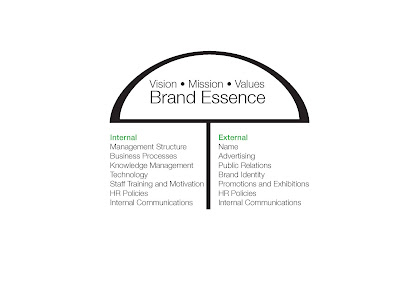
Then staff are expected to lift up the baton and run with it, without a real sense of purpose or direction and usually without any dynamism or commitment. The sense of pride is lost as is the sense of belonging. In essence the brand equity is diluted at best and non-existent at worst. This is where the real capital of a company lies, in its brand value. And this is best expressed by the employees living (and loving) the brand, how it is expressed and activated at all customer touch points. This is a self-perpetuating cycle. As Oliver Cromwell said: “my army won because they knew what they were fighting for and they loved what they knew.”
Once the systems and processed have been worked out in the new merger, CEO’s need to get the brand consultants in to fire up the brand, identify the new DNA or brand story and how this is going to be manifested, communicated and lived by the employees. Thus begins the process of brand engagement with key employees so that the essence of who you are, what you do and how you do what you do (values), i.e. what you value, is shared and allowed to be experienced.
 The earlier that this can happen on the journey to a new beginning, the better.


This is how ordinary brands become great brands.
Companies often merge with their competition in order to create economies of scale. But not all mergers are successful. Why not?
First of all, blending the cultures of companies are fraught with challenges. A company with a relaxed atmosphere and casual dress code might conflict with a company who wear formal suits. Cultural styles can vary from patterns of speech, value systems, lifestyle, city attitudes, headquarter locations and so on. Merges also fail because the business model of one company is archaic or outdated. If you were a farmer and had a diseased sheep would you mate it with another healthy sheep? Definitely not. Surely you would opt to “put it down”.
Companies who grow through acquisition have long histories of laying off personnel as part of their restructuring and losing customers. This breeds complacency, de-motivation and a loss of hard-earned experience. Most companies who grow by the sword, die by the sword. If only these types of mergers could buy the assets (the people and customers) without buying the diseased thinking or systems of the company then it might be worth considering. If you can justify your economies of scale without justifying away 20% of your ‘new companies’ employees, then you’re creating good business karma.
Another challenge with merging is the distraction a merger causes for employees customers and managers. The distraction opens the doors to competitors to move more swiftly and capture significant business from BOTH companies who are attempting the merger.
“So which mergers actually succeed?” you might ask. From experience, mergers should exhibit the following 5 characteristics in order to be considered potentially viable candidates for a successful merger:
1.Cultural synergy.
If one company’s culture is jeans, pinball machines, cut-throat hiring/firing and impulsive decision-making and your company values clear processes and systems for most activities, good communication and values employees (no layoff policy) then you may have a big challenge on their hands.
2. Compatibility between mission statements and direction.
What are you trying to do? What are they trying to do? If they relate closely, you have the first element of success. Is it a merger or a takeover in disguise?
3. Beneficial economies of scale.
Larger does not always mean better. Some larger companies cannot respond as quickly to market changes due to their size and the challenge coordinating new directions to employees. Economies of scale are not always beneficial so make sure you can quantify that having more of one direction is what you want.
4. Headquarters in same city/region.
If your company is headquartered in neurotically fast-paced, job-focused New York and the other country is based in a slower-paced southern state, you might have a big problem. Two companies should be headquartered near each other to maximize the return on the investment and maximize the economies of scale. It is harder to communicate halfway across the country than it is to communicate someplace 10 miles away.
5. Demonstrable positive growth.
If buying a company with more advanced technology that would take far longer for you to create then it makes sense to buy. Or, if their success in a market has consistently eroded your ability to be successful in multiple business segments, it might be beneficial to learn from them. There are two ways to do that: hire their people, or buy their company.
If you cannot see the positive effects from a merger, clearly, concisely, and where at least 90% of your employees will embrace the merger, then it is not recommended.
Far too many companies announced mergers in the past, proudly beating their chest saying they would become the No. 1 in their market by combining the No. 2 and No. 4 companies only to end up No. 3 or No. 4 (or worse) when the dust settled.
The best way to grow a company is to hire smart people, build a consensus for growth based upon integrity and honesty, and enable people to create and innovate to the best of their power. Rushing into mergers can do more harm than good.
Stockholders – stand up and be counted.
Knowing how a merger will affect your investment in a certain stock requires that you first understand the circumstances and the conditions of the buyout. Ask yourself three important questions:
1. What is the current financial condition of each company? If both companies are financial healthy then joining them together is likely to make each entity stronger. If one company is in trouble then the other will be saddled with the problems of the other.
2. How many shares will you have after the merger takes place?
In some cases, if one company is eliminated after the alliance takes place the shareholders of the eliminated company might receive only 1 share in the new company for every 4 shares you had in the old company depending on the current market price. You might want to sell before the merger takes place.
3. How much is the acquiring company paying for the smaller company?
If the acquirer is paying less than or equal to what the smaller business is worth, this might not be a good sign.
Shareholders will be given the right to vote on a merger before it takes place.
The management of the company usually holds most of the shares, so their votes count for the majority. Make sure you exercise your right to vote.
Your decision should be based on what will be the best for the future value of your shares. Examine the income statement and balance sheet of the other company to make sure whether the merger is beneficial or detrimental.
The purpose of this article is to throw open the pro’s and con’s of a merger. Study the facts and you should be able to ascertain what the consequences will be. Use your common sense and you should be fine. Better still seek professional advice just to make sure.
Remember that throughout the process of merging, communication, both internal and external has to be frank, honest, transparent and motivational. Not only are people going to be scared internally about the safety of their jobs, but they are going to need reassuring as to where the company is going and what their role is in this new venture.
The process is one of enrollment into the new vision so that people can become advocates and brand ambassadors.
Most companies spend their time ensconced with the management consultants, accountants and lawyers and then hand out bland statements of vision, mission and values once the internal systems have been restructured and reorganized.

Then staff are expected to lift up the baton and run with it, without a real sense of purpose or direction and usually without any dynamism or commitment. The sense of pride is lost as is the sense of belonging. In essence the brand equity is diluted at best and non-existent at worst. This is where the real capital of a company lies, in its brand value. And this is best expressed by the employees living (and loving) the brand, how it is expressed and activated at all customer touch points. This is a self-perpetuating cycle. As Oliver Cromwell said: “my army won because they knew what they were fighting for and they loved what they knew.”
Once the systems and processed have been worked out in the new merger, CEO’s need to get the brand consultants in to fire up the brand, identify the new DNA or brand story and how this is going to be manifested, communicated and lived by the employees. Thus begins the process of brand engagement with key employees so that the essence of who you are, what you do and how you do what you do (values), i.e. what you value, is shared and allowed to be experienced.
 The earlier that this can happen on the journey to a new beginning, the better.
The best brands are the ones where time and energy have been taken to not instill the vision, mission and values in a way which can be absorbed and lived by employees, but also to then roll this out into the customer experience, seamlessly and effortlessly, the experience transmitted by the employee and transferred to the customer.

This is how ordinary brands become great brands.
Sunday, February 21, 2010
Brands, communications and the new paradigm
Brand strategy and communications sometimes seem like an "add-on". After all how many marketing/communication directors make it to the Board? And how many are CEO's? Furthermore, the political/economic/social environment one finds oneself in often dictate what one can or cannot achieve by way of brand/communications strategy.
In less developed countries, the power of brand is HUGE as individuals encircle themselves with the trappings of power and success to validate/justify their success and show the world they made it!. This is less true in more developed countries, as people become more disillusioned by the shackles of capitalism and long for a return to a more simple, authentic life. Hence the move towards "no brand", "no frills", "slow food" and more focus on life/work/play balance. This is important. Because people are changing their view of what's important in their lives. Companies and their brands that don't recognise this new paradigm are going to be overtaken with more enlightened brands that get it!
Wednesday, February 17, 2010
“The main thing is the main thing”. Back to basics - a formula for growth.
The CEO of restaurant chain Wagamama tells us: "The main thing is to keep the main thing the main thing."

He should know. He has built Wagamama into a global empire. Today the company has 86 restaurants in 11 countries, and is worth US$1bn.

The essence of brand is about what you value. Values represent the key differentiator and rallying cry for effective positioning in a crowded market place. Not only does this value (or set of values) inspire your workforce, it also resonates with people’s desire for self-expression, validation and justification. “This is who I am, or who I want to be” – your brand or product is part of a multi-layered shorthand for people to express their personality, attributes, sense of place and belonging. The greatest gift that commerce has ever given culture and the fundamental DNA, or essence, is the brand; stripped of all permutations and adornments and representing a story, a brand story that is believable, campaignable and above all compelling in its authenticity.
The individual seeks identity and a sense of belonging; hence families, tribes, nations and regions instill an enormous sense of pride and self-belief. Just watch the winning football team’s fans as they leave the stadium or when their player scores that winning goal.
The Olympics, now the rallying cry for many nations’ athletes remains an exemplary opportunity for companies to link their values with those of the premier sporting events this planet produces.
On a more realistic note, routes to market, price, distribution, quality control and all the elements that form the engine of a company’s offer, pale into insignificance if they don’t stand for something which resonates with people, naturally. The brand represents your real route to market, everything else is process. Mass production has succeeded. We are over-serviced with 120,000 product lines on the shelves in our supermarkets when 30 years ago there were only 30,000.
Rising to the new consciousness
Fast forward to 2010. We’re looking at a world moving faster at every turn. The convergence of technologies, internet as the great leveller, fragmentation of media, podcasts, social networking - where an amateur songwriter can hold a rock concert from her living room and over 200,000 people tune in - where anyone can be an instant star for 15 minutes and where you are “always on”, everywhere, the traditional rules of ‘pile ‘em high and sell it cheap’ are not valid anymore. There is a new consciousness and awareness permeating the nether regions of society.
The effects of climate change, increasing middle classes, clamouring for more – more meat, oil and steel, more luxury products, more consumption - from India to China and from the Middle East to Russia, we are at the precipice of a quantum leap in consciousness and behaviour. The planet can’t go on like this and the combination of more is less and less is more will meet at noon at the OK corral of life for a showdown for the future of mankind as we know it.
These emerging nations that happen to be centres of some of the largest population groupings in the world are striving harder and working longer to achieve the sense of ‘satisfaction’ and ‘success’ that the promise of mass consumerism can offer.
The extent of their longing is now limited only by the day of reckoning, when the planet, sick of all this abuse of resources and environment, reacts violently and decimates a large swathe of our population, or forces us to re-adjust radically as we face the heating up of our environment, to the point where the very basics of food, water and clean air become scarce.
The death knell is sounding and many companies are rallying behind the flag that saving the environment is more productive (and profitable) than abusing it.
The West looks East – Middle East!
I don’t profess to be an expert, but it occurs to me that the preponderance of sun in this region lends massively to the notion that the Middle East could become the centre of solar energy production.
We are moving forward with education as one of the key pillars of diversification away from an oil economy. It is important that entrepreneurship linked to the well-being of our planet should provide a rallying cry for the development of complete industries from business incubators, knowledge parks, greenhouses, hydroponic agriculture and water production – in effect safeguarding the future for our children and theirs and fostering the entrepreneurs and scientists that this region has lost as the pendulum of history swung West and East.
‘Back to basics’ is a philosophy based on simplicity, a value that is rare in this over-complicated world as brand after brand seeks to take centre stage by adding more bells and whistles. But don’t mistake naivety for simplicity. There are many brands in Qatar and throughout the GCC verging on the naïve. Why, pray, would you not learn from the basic error that a price-led philosophy loses out over a value-led philosophy not often, but always.
Why do tenders invariably go to the cheapest bidder and not to the one who offers the most value? The Chinese are very clever at this – they insist on knowledge and information transfer, effectively providing the breeding ground for an employment strategy based on a skills-based economy.
Why do local organisations enact this strange dance of change-step programme: wait, hold, go, quick-quick, slow? Why do companies not invest in people? Instead relying on constant cheap sources of labour against the experience of tried and trusted employees whose knowledge go with them when their NOC is refused and they head home.
To pitch or not to pitch
I am really not one for criticism, nor do I have the solutions, at least not all of them, but sometimes a little common sense goes a long way. In my business of branding, design and advertising, it is clear to me that the constant round of free pitches doesn’t do anyone any good. It only adds to the cost of doing business and doesn’t allow us to build strong relationships and yes, partnerships, with clients to build effective brands and communication programmes. Note that some of the world’s most famous campaigns and strongest brands were built on a long-term relationship between client and agency. Going out to pitch every single time is not only a waste of time and resources for all concerned but is not expedient, nor does it deliver the best campaign as the agency will not have discovered the DNA, the soul, the essence or brand story that should permeate every communication, both internal and external. And so a brand is not built; rather a temporary flag-waving exercise is undertaken that may be pretty and may do the job, but only that job. And the client can prove that they have not wasted the company’s money – well, sort of.
Organic branding. Back to basics – the new way to grow
‘Back to basics’ is the key to build sustainable, powerful brands based on your values. And if you value what we value, then we can build you a powerful brand based on trust, authenticity, partnership and a lot of creativity. Creativity is like grass growing; effectively perceived as effortless in the right surroundings, i.e. fresh air, lots of sun, water and good earth, but there’s a lot of work going on under the surface. An agency is a living organism of people, and hey, so is your company! We all want to be safe, to belong. We all want to work hard, contribute and succeed (well, some do!). And what better way to build a powerful partnership to champion the growth and sustainability of a powerful brand? Simple really. ‘Back to basics’. A formula for growth and development of global brands. And who knows? We might work on something that is actually good for the planet, from reduction of packaging, to streamlining work processes, to energy-efficiency, to instilling worthy values into our community and the list goes on and on.
A strong brand galvanises your workforce. It informs your clients, partners and suppliers. It reduces your customer acquisition costs, thereby increasing your profits and your market share, allowing you to extend the brand into new areas and new territories. It’s business and it’s basic. So seek partnerships not suppliers, seek collaborators who reflect and can communicate your values, who see the bigger picture and not just a short-term fix.
Like an orchestra coming together to create an opera, your agency and you can build a brand that is powerful and valuable.
You hum it, we’ll play it.
Thursday, December 17, 2009
The Power of Colour
The entire spectrum of colours is derived from light.
Light flows through our eyes and triggers hormone production, which influences our entire complex biochemical system. This biochemical system then affects our being.

Here’s a brief glossary of colour and their meaning. First, it must be noted that various colours have been adopted by international institutions to convey specific meanings, e.g.
red = danger
yellow = caution
green = safety
In different countries, certain colours have meanings which may differ in other countries,
e.g. red in China signifies joy, but in Europe it is used to signify danger or anger.
Yellow is sacred to the Chinese but signifies sadness in Greece and jealousy in France.
White, the fusion of all colours, signifies purity (e.g. wedding dress) in Europe but death in Chinese and South American culture.

In design, we understand the power of colour and so use the power and meaning of colour to reflect, reinforce and differentiate a company’s brand or communications to highlight their positioning through the astute use of colour.
Leading marketing psychologists have understood the power of colour and the impression that colour makes. The brain is hot-wired to recognise colour and image first, before shape or wording. According to the Institute of Colour Research, human beings make subconscious judgements about any new situation or item within 90 seconds of their initial viewing. Between 62% and 90% of that assessment is based on colour alone. Such is the power of colour.
Red is the colour of blood. Blood equals life. Red is also the colour of passion and anger ( “seeing red” ), so red is associated with aliveness, vitality and strength. It’s a “primary” colour, a colour that is a PURE elementary colour. It’s engaging and emotive. It tends to excite people (“painting the town red”) and triggers the pituitary and adrenal glands, releasing adrenaline. It’s a great colour for restaurants as it stimulates appetite. It has high visibility. Red brings text and images to the foreground. Use it as an accent colour to stimulate people to make quick decisions; it’s a perfect colour for 'Buy Now' or 'Click Here' buttons on Internet banners and websites. In advertising, red is often used to evoke erotic feelings (red lips, red nails, red-light districts, 'Lady in Red', etc). Red is widely used to indicate danger (high voltage signs, traffic lights). This colour is also commonly associated with energy, so you can use it when promoting energy drinks, games, cars, items related to sports and high physical activity.

Companies who use red in their logos include Coca Cola HSBC, Virgin and Vodafone. Their personality traits are courageous, confident, humanistic, strong-willed, spontaneous, honest, and extroverted.
Orange (a fusion of yellow and red) denotes vibrancy, energy, fun, enthusiasm and exuberance. It’s no surprise then that Orange Telecom chose the colour and the name to appeal to a broad section of the general public. Orange can bring joy to our workday and even stimulate our appetite (for life and learning). Orange is the best emotional stimulant. It connects us to our senses and helps to remove inhibitions and makes us independent and social. Orange increases oxygen supply to the brain, produces an invigorating effect, and stimulates mental activity. It is highly accepted among young people. Orange would be good for a dance studio, a vitamin shop or food products to appeal to an audience seeking energy, warmth and even excitement.

Personality Traits: Enthusiastic, happy, sociable, energetic, sporty, self-assured, and constructive.
Yellow represents the sun, springtime and brightness. It is the first colour the eye processes.
It is the most visible, which is why it gets the attention faster. Other key words associated with yellow include illumination, clarity, wisdom and self-esteem. Yellow gives us clarity of thought, increases awareness, and stimulates interest and curiosity (great for classrooms). Yellow energy is related to the ability to perceive and understand. The yellow energy connects us to our mental self, signifying communication, enlightenment and spirituality. Yellow is often associated with food. Bright, pure yellow is an attention getter, which is the reason taxis are painted this colour. Use it sparingly as too much use can be counter-productive. Tests have shown that people lose their temper and babies cry more in yellow rooms. Yellow is good for florists, schools, toy shops and sweet shops.
Personality Traits: Good-humoured, optimistic, confident, practical, and intellectual.
Companies using yellow in their logos include: The AA, Ferrari, Yellow Pages, Big Yellow, Caterpillar.

Green is the colour of…(I know you thought money!) health, food, nature, freshness, hope, safety and the environment. Green is the fusion of yellow and blue, so it’s not a primary colour, but it is known that green is a calming colour, so it gives a feeling of renewal, peace and harmony. Green has great healing power. It is the most restful colour for the human eye; it can improve vision. Green suggests stability and endurance. It’s a great colour for any product, but especially good for anything characterising freshness, life and growth (note grow’s corporate colour!). Green is good for banks, financial advisors, nurseries, farmers and of course refreshingly creative advertising and design agencies.
Companies that use green in their logo include: Lloyds TSB Bank, Starbucks, BP, grow, Prozac

Blue is the colour of the sea and the sky. It is a primary colour. It’s a cool and calming colour, i.e. mentally relaxing and has a pacifying effect on the nervous system by slowing metabolism. It releases 11 neurotransmitters that relax the body. It connects to thought, wisdom and clarity, enhancing communication and decision-making. However too much blue and you could be feeling blue or depressed. It’s the most popular colour for both sexes. Blue has long been associated with royalty (blue blood) and is therefore associated with authority, prestige and power. It’s used extensively as a corporate colour (royal blue), exuding wisdom, confidence, trust and authority. Light blue is young, fresh, clean and cool. Blue is good for IT companies, to suggest precision when promoting high-tech products. It’s also good for airlines, air conditioners, pool companies and travel agencies. In marketing terms, blue is an establishment colour and is used in over 60% of corporate identities.
Companies that use blue in their logo include IBM, Dell, Deutsche Bank and Pepsi.
Personality Traits: Loyal, tactful, incisive inspiring, inventive, cautious.
Purple combines the stability of blue and the energy of red. For some reason children love the colour purple (no, not the movie). According to surveys, almost 75 percent of pre-adolescent children prefer purple to all other colours. More individualistic, these colours convey imagination, intuition, wisdom and truth. Whether a blue tinge (mystery) or a reddish shade (sensual), these colours are great for elaborate and distinctive establishments including nightclubs, photographers, jewellers and restaurants.
Indigo personality traits: Intuitive, fearless, practical, idealistic, wise, and a truth seeker.

Violet is artistic and creative, sophisticated, luxurious and dignified. Through the blue tinge it is linked with royalty and therefore is great for luxury branding. It’s unusual and at the same time lavish and complex.
Black is a not a colour; it is the absence of colour. While it is associated with death (black plague, witches and evil), fear and the unknown (black holes) and negative connotations (black humour), it also suggests seriousness, boldness, power and formality (black tie).
It’s been used to communicate coolness, modernity, elegance and style. The fashion industry has adopted black wholesale as the experts say that it makes us look thinner, while designers wear black so as not to intrude with the colours they are demonstrating. What is for sure, is that no self-respecting lady would be without a little black “number”.

Each form of the seven colours of the rainbow: Red, Orange, Yellow, Green, Blue, Indigo, and Violet is connected to various areas of our body and will affect us differently emotionally, physically, and mentally. Each colour vibrates at its own individual frequency. In Colour Therapy, therapists believe colours contain energy vibrations with healing properties and that each colour corresponds to one of the seven chakras (energy centres in the body), which in turn can influence a specific gland, organ, or tissue of the body. Healers and therapists use colour to assist in healing and well-being.
So there is more to a colour than liking it or not. In design, practitioners spend years understanding the meaning and power of colour and how they relate to each other and how to use them together, from understanding that dark tones make objects look smaller while light tones do the reverse. Dark colours also lower stress and increase feelings of calm while bright colours spark energy and creativity and may increase nervousness and aggression.
Warm colours (red, orange and yellow) stimulate activity and excitement while cool colours (green blue violet) are more soothing and relaxing.
It’s important therefore to trust your designer with the use of colour, its degree of saturation (how much grey is there) and luminosity (how much white or intensity is there) and the hues (warm or cool) or depth (light or dark). Their experience is objective, based on a deep understanding of the power of colour and their uses and not based on the subjective “I like yellow!”. Colour should not be used simply for differentiation from competitors. You need to choose a colour that fits your brand message. Trust a designer who understands the theory of brands and the psychology of colour. It’s a science as well as an art.
Subscribe to:
Posts (Atom)
